
Longcliff is a walkable mountain community in western NC, built around the traditional idea that daily life – coffee, a gathering lawn, trails, neighbors – should be reachable on foot. It sits on a rare stretch of level plateau near Lake Toxaway, where a 44-acre nature preserve, event lawns, and a planned market and café are connected by paths instead of car trips.
For most of the last century, the walkable village quietly disappeared from American life. Longcliff’s walkable mountain village in western NC is built to bring it back. The point is simple: leave the car at home and let the day happen on foot.
Walkable village living was the default until roughly 1950, then zoning and road design engineered it out. Towns once laid out connected street grids and let builders fill them in. After mid-century, planners shifted to branching, dead-end street patterns that funnel every trip onto wide arterial roads – layouts that separate homes from shops, schools, and gathering places, and make walking anywhere impractical.
The loss wasn’t only aesthetic. It changed how much people spend, move, and connect:
Writers and planners have spent years documenting how to rebuild it – Philip Langdon’s Within Walking Distance and the Congress for the New Urbanism among them. Longcliff’s developers reached the same conclusion from the ground up. As partner David Parks puts it, describing what the Lake Toxaway area was missing: “You do lack some conveniences. And most importantly, you lack a place for the community to gather.”
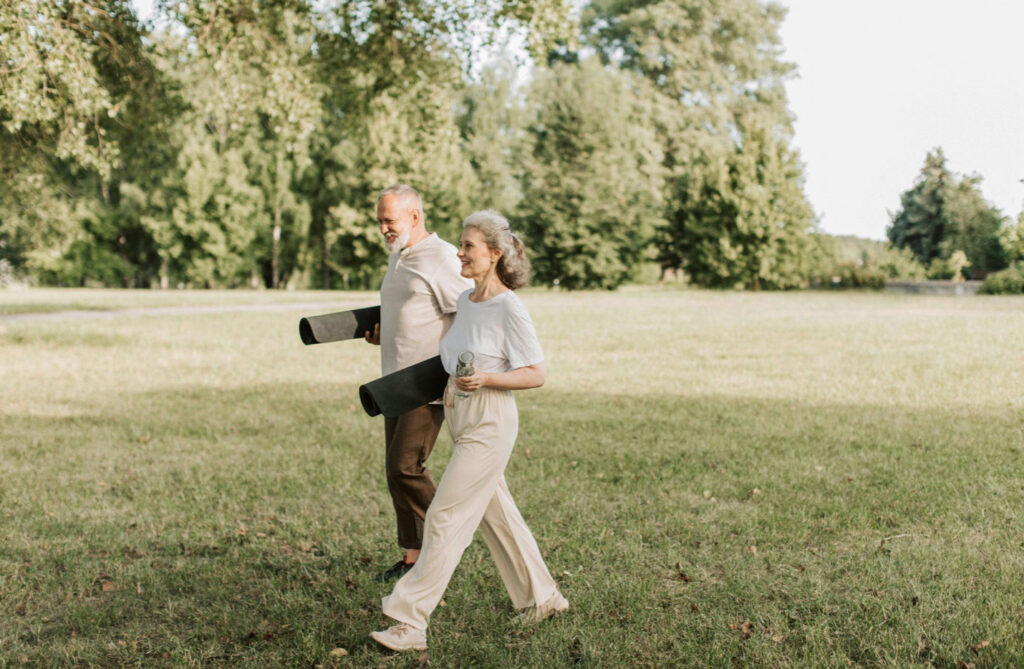
What determines Longcliff as a walkable mountain community in western NC is two things: the right land and the right plan. Most mountain homesites sit on steep grades where walking anywhere means climbing. Longcliff occupies an unusually level 107-acre plateau near Lake Toxaway, which makes footpaths between homes and gathering places genuinely usable rather than aspirational.
The plan follows the land. Instead of scattering houses along cul-de-sacs, Longcliff organizes homes around shared places connected by walkways and a central lane. Director of Development Jim Pitts describes the intent plainly: “A walkable community so you can leave your car at home, a self-contained village that is safe for families and children, a nature preserve to connect with the outdoors, amenities to encourage four-season activities, and community programs like a farmer’s market and music events to engage residents and guests.”
That combination – level ground, a village layout, and a nature preserve at the center – is what separates mountain village living here from a conventional gated subdivision.
At Longcliff, the day’s essentials and gathering spots are reachable on foot rather than by car. Some are open now; others are under construction as the village fills in. Here’s where things stand:

Parks describes the everyday version of it this way: “Families walk from their homes to the Great Lawn for music and then over to the restaurant for dinner beneath festival lights. Kids run next door for ice cream and then the whole family takes an after-dinner walk along the trails.” Some village-center elements are still master-planned rather than built, but the framework – homes, lawns, preserve, and market linked on foot – is the organizing idea, not an add-on.

A walkable mountain community is a mountain lifestyle designed so residents can reach daily needs – coffee, dining, green space, gathering areas – on foot instead of by car. It requires walkable terrain and a village-style layout, which is uncommon in mountain settings where steep grades usually force driving.
Longcliff is in Lake Toxaway, North Carolina, on the Highlands-Cashiers Plateau in the Blue Ridge Mountains – about 15 minutes from Cashiers, 25 from Brevard, and under an hour from Asheville. The setting is central to the Lake Toxaway lifestyle: mountain views, waterfalls, and a slower daily pace.
Yes. The 44-acre Longcliff Preserve is open to Longcliff residents and the broader community, with 3.5 miles of trails and connections into the adjoining Gorges State Park.
That’s the plan. The Market & Café – a coffee shop, bakery, evening wine bar, and market – is under construction with delivery targeted for late 2027, positioned within walking distance of the homes rather than off-site.
The rare combination of level plateau terrain, a village layout built around shared gathering places, and a protected nature preserve at the center – so walking, not driving, is the default way to move through the day.
Longcliff is bringing back a way of living the mountains mostly lost: one where your neighbors, your morning coffee, and the trailhead are all a walk from your front door. Explore what that looks like day to day on our Vision page, or see Longcliff’s walkable homes and find your place in the village.