
Four seasons of mountain living at Longcliff means a fleeting spring wildflower bloom found almost nowhere else, cool creekside summers on the Highlands-Cashiers Plateau, a hardwood forest that turns gold and crimson each fall, and quiet winter trails with views that only open up once the leaves are down.
Most mountain communities pick a season and coast on it. Longcliff doesn’t get that luxury – or that excuse. Set within the 44-acre Longcliff Nature Preserve on the Highlands-Cashiers Plateau, the community changes character every few months, and each version has its own reason to visit.
Spring’s signature moment is short and easy to miss: mountain laurel and pink lady slipper orchids – sometimes called moccasin flowers – bloom at the same time in late spring and early summer.
Longcliff Nature Preserve’s monthly naturalist walks kick off the season, led by NALT Southeastern biogeographer Will Gandy, who has walked this land for 14 years. Walks meet at the Discovery Center at 10 a.m. and follow themes tied to the calendar – spring’s opening walk covers the deciduous and evergreen forests of the Appalachians. Below the trails, spring-fed headwaters converge into Bearwallow Creek, running high and clear on their way toward Bearwallow Falls.

Elevation does most of the work. Sitting up on the Highlands-Cashiers Plateau keeps summer days noticeably cooler than the Piedmont or the coast, and the shade of Gorges State Park – 8,000 acres bordering the property on three sides – helps the rest.
A few ways summer plays out at Longcliff:
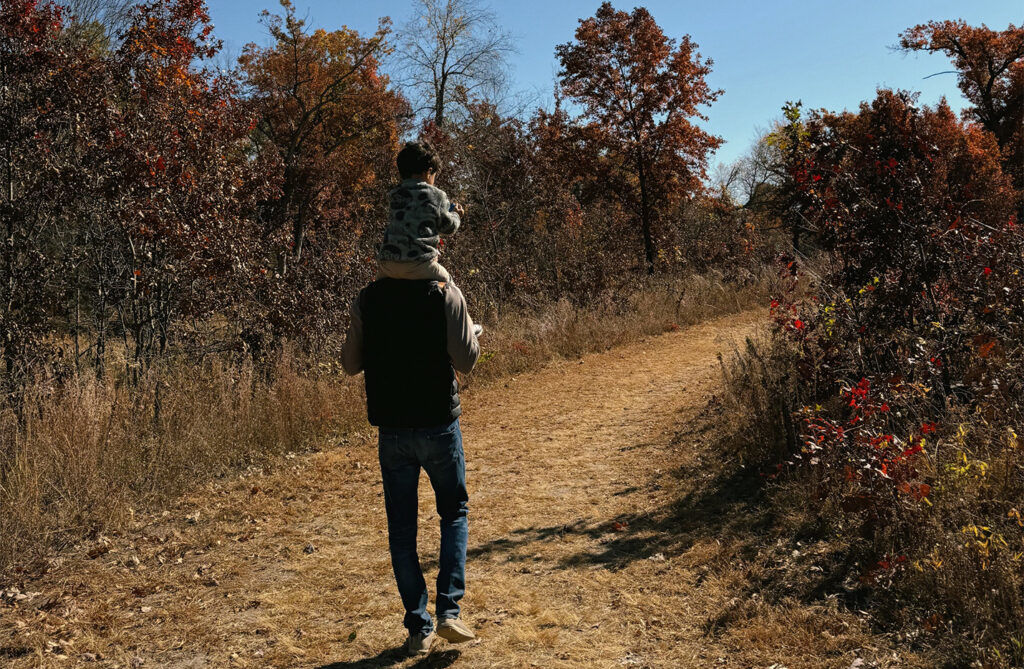
The color comes from what’s growing here – a mix of northern red oak, white oak, black oak, maple, and tulip poplar over a white pine canopy – the same hardwood diversity that gives the wider Highlands-Cashiers Plateau its reputation for fall color. Closer to the ground, bear huckleberry turns crimson, adding an understory show most visitors never think to look for.
The views open up, too. From The Edge, perched on the Blue Ridge Escarpment, the view over Gorges State Park valley below turns into an uninterrupted sweep of color. It’s also the season the wider region leans into: roughly 70% of the Highlands-Cashiers Plateau remains permanent forest, so the display isn’t limited to any one property line.
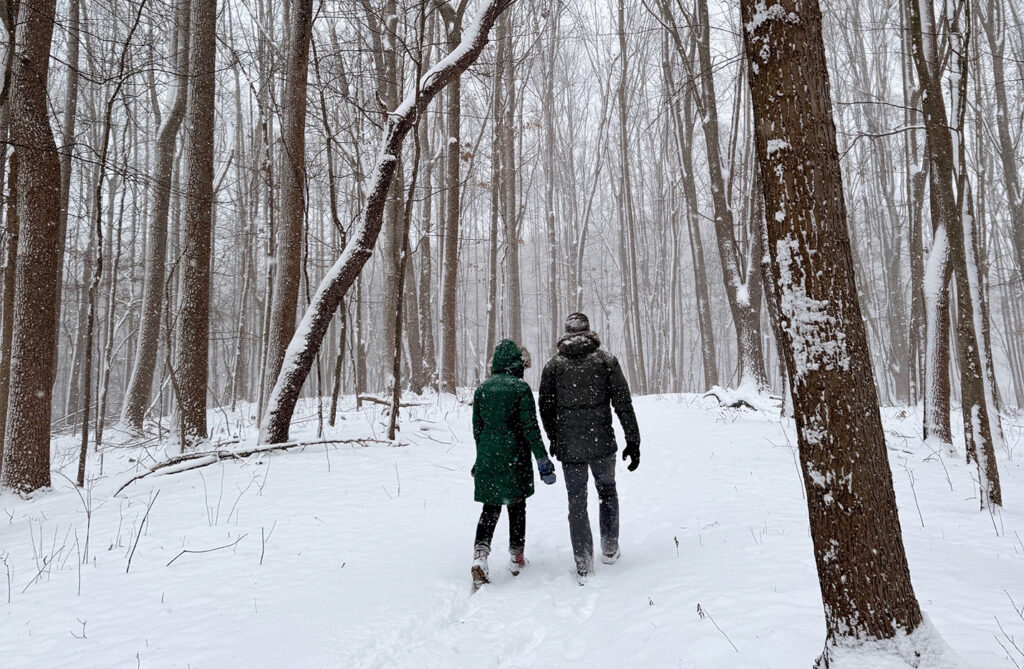
Winter is the quiet season, and Longcliff treats it that way rather than fighting it. With the canopy down, the plateau’s flat, walkable topography reveals sightlines that summer’s foliage hides – longer views, more sky, a different sense of scale.
The Cafe, with its cozy seating, becomes the natural cold-weather stop for coffee and a slower morning. Fire pits are planned along The Edge’s pathways for evenings that call for one, and once the Great Lawn opens this fall, holiday celebrations are expected to become part of the winter calendar too.
A lot of mountain developments quietly empty out after Labor Day. Longcliff was built against that pattern – walkable, multigenerational, and designed to stay lived-in whether it’s April or January.
Four seasons of mountain living isn’t a slogan here so much as a description of the terrain: the Longcliff Nature Preserve simply looks different every few months, and the community is built to be lived in through all of them.
Ready to see a season for yourself? Explore Longcliff homes for sale or plan a visit to the Discovery Center on US 64.
Longcliff is designed as a four-season community rather than a seasonal one. Between the Longcliff Nature Preserve’s monthly naturalist walks, The Edge’s warm-weather programming, and the neighborhood’s front-porch culture, there’s a reason to be outside in every month, not just the summer peak.
The most notable bloom is late spring into early summer, when mountain laurel and pink lady slipper orchids flower at the same time along the preserve’s trails – a brief overlap that draws attention even from experienced naturalists.
Each season offers something different: spring for the wildflower bloom, summer for cool creekside afternoons and evening gatherings at The Edge, fall for hardwood color across the plateau, and winter for quiet trails and long views once the leaves are down.
Winter programming is still developing alongside the community’s amenities. Fire pits are planned at The Edge, and once the Great Lawn opens, seasonal and holiday programming is expected to extend into the colder months.
The preserve is open to the public, not just residents, with 3.5 miles of trails and monthly naturalist walks that meet at the Discovery Center at 10 a.m. Visiting the Discovery Center on US 64 is the easiest starting point.